

Discover the Solar Lighting Benefits: Advantages of Solar Lighting Systems
- Drew Dozier
- Mar 5
- 4 min read
Updated: Mar 16
Municipalities, transportation departments, and public safety leaders face a common challenge: delivering reliable, cost-effective lighting solutions that meet safety standards without the delays and expenses of traditional infrastructure. Solar lighting systems have emerged as a practical answer to these challenges. They offer a trench-free, grid-independent approach that accelerates installation and reduces long-term costs. This article explores the key advantages of solar lighting systems, providing actionable insights for decision-makers who demand speed, durability, and operational certainty.
Understanding Solar Lighting Benefits for Infrastructure Projects
Solar lighting systems provide a unique combination of benefits that directly address the practical challenges faced by infrastructure leaders. Unlike conventional wired lighting, solar solutions eliminate the need for trenching and extensive electrical work. This means projects can move forward faster, avoiding costly delays caused by underground utility conflicts or permitting issues.
Key solar lighting benefits include:
Rapid deployment: Solar lighting poles can be installed in hours, not days or weeks.
Grid independence: No reliance on existing electrical infrastructure reduces vulnerability to outages and copper theft.
Lower total cost of ownership: Minimal maintenance and zero electricity bills translate into long-term savings.
American-built quality: Systems designed and manufactured domestically ensure ruggedness and compliance with local standards.
Environmental resilience: Engineered to withstand harsh weather and vandalism, ensuring consistent performance.
For example, a city park lighting project that traditionally required weeks of trenching and electrical work can be completed in a fraction of the time with solar lighting. This speed not only reduces labor costs but also minimizes disruption to the community.

How Solar Lighting Systems Improve Safety and Reliability
Safety is paramount in public spaces, roadways, and critical infrastructure. Solar lighting systems enhance safety by providing consistent illumination without the risk of power interruptions common in grid-dependent setups. When outages occur, traditional lighting fails, creating dark zones that compromise public safety and increase liability.
Solar lighting systems operate independently of the grid, powered by photovoltaic panels and high-capacity batteries. This design ensures continuous operation even during power failures or emergencies. Additionally, the modular nature of solar lighting allows for easy replacement of components without shutting down the entire system.
Reliability factors include:
Battery backup: High-quality lithium or sealed lead-acid batteries store energy for nighttime use.
Smart controls: Sensors and timers optimize energy use and extend battery life.
Durable materials: Corrosion-resistant poles and weatherproof fixtures withstand environmental stress.
For transportation corridors in rural areas where power access is limited, solar lighting provides a dependable solution that enhances visibility and reduces accident risks without the need for costly electrical infrastructure extensions.
Can I put regular batteries in my solar lights?
A common question among users and maintenance teams is whether regular store bought batteries can replace the specialized batteries in solar lighting systems. The short answer is no. Solar lighting systems require batteries designed specifically for deep cycle use and high charge-discharge cycles.
Regular AA batteries, typically alkaline, are not built to handle the continuous charging and discharging that solar lighting demands. Using them can lead to:
Reduced battery life: Alkaline batteries degrade quickly under solar charging conditions.
System failure: Inadequate power storage results in dim or non-functioning lights.
Safety risks: Improper batteries may leak or overheat.
Instead, our premium solar lighting systems use LIFEPo4 (Lithium Iron Phosphate) engineered for longevity and reliability. These batteries maintain consistent performance over thousands of cycles, ensuring the lighting system remains operational through multiple nights without sunlight.
Maintenance teams should always source batteries from equipment manufacturers and follow manufacturer guidelines to maintain system integrity and performance.
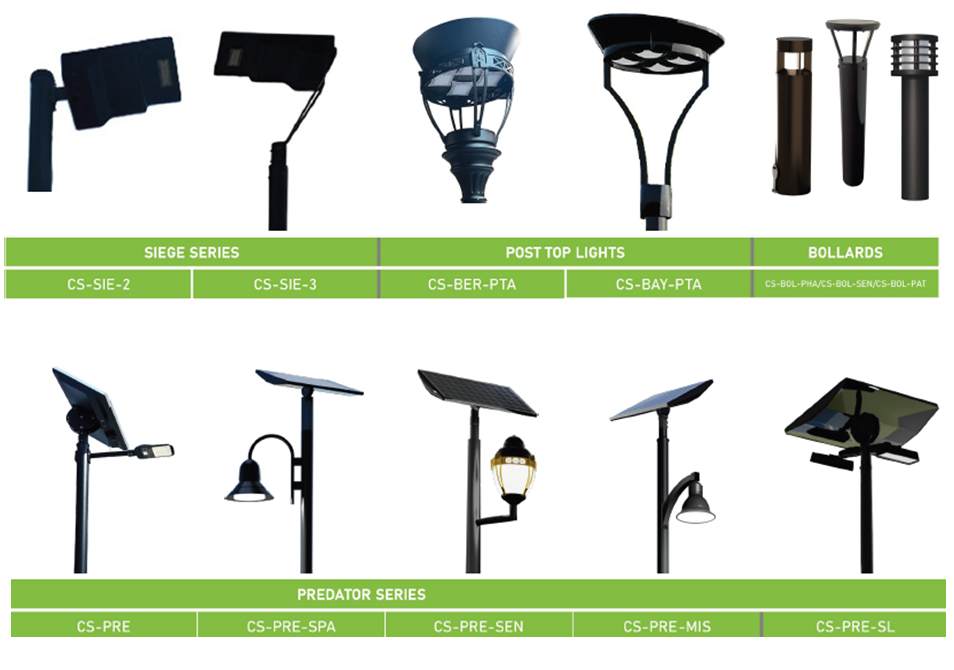
Practical Considerations for Implementing Solar Lighting Systems
When planning a solar lighting project, infrastructure leaders must consider several practical factors to maximize benefits and avoid common pitfalls.
Site Assessment and Design
Sunlight availability: Ensure the location receives adequate sunlight throughout the year to charge batteries fully.
Pole placement: Position poles to optimize coverage and minimize shadows or obstructions.
Load requirements: Calculate lighting needs based on area size, brightness levels, and usage patterns.
Installation and Maintenance
Trench-free setup: Leverage the trench-free advantage to reduce installation time and costs.
Routine inspections: Schedule periodic checks for panel cleanliness, battery health, and fixture integrity.
Component replacement: Plan for battery and LED fixture replacements every 5-10 years depending on usage.
Budget and Lifecycle Costs
Upfront investment: While initial costs may be higher than basic wired lighting, the elimination of trenching and electrical work balances the budget.
Operational savings: Zero electricity costs and reduced maintenance lower total cost of ownership.
Funding opportunities: Explore grants and incentives for renewable energy projects to offset expenses.
By addressing these considerations upfront, project managers can ensure solar lighting systems deliver reliable, cost-effective illumination that meets safety and operational goals.
Why American-Built Solar Lighting Systems Matter
Choosing American-built solar lighting systems offers distinct advantages for infrastructure projects that demand quality and accountability.
Manufacturing standards: Domestic production adheres to strict quality control and safety regulations.
Supply chain reliability: Local sourcing reduces lead times and mitigates risks associated with international shipping delays.
Support and service: Access to responsive customer support and technical expertise ensures smooth project execution.
Economic impact: Investing in American-made products supports local jobs and the national economy.
For public agencies and organizations under political and budgetary scrutiny, specifying American-built solar lighting systems provides a defensible choice that aligns with procurement policies and community expectations.
Solar lighting systems represent a transformative approach to infrastructure lighting. They address the core challenges of speed, reliability, and cost-effectiveness without compromising safety or quality. By eliminating trenching, reducing grid dependence, and leveraging durable, American-built components, these systems deliver results that hold up in the field.
Decision-makers tasked with lighting public spaces, roadways, and critical facilities can confidently turn to solar lighting as a proven solution that meets operational demands and budget constraints. The future of infrastructure lighting is bright, efficient, and independent of the grid.


Comments